Disclaimer: this article may contain affiliate links, and I may receive a commission on sales when you use those links, at no additional cost to you. I only recommend products I use and genuinely love.
T
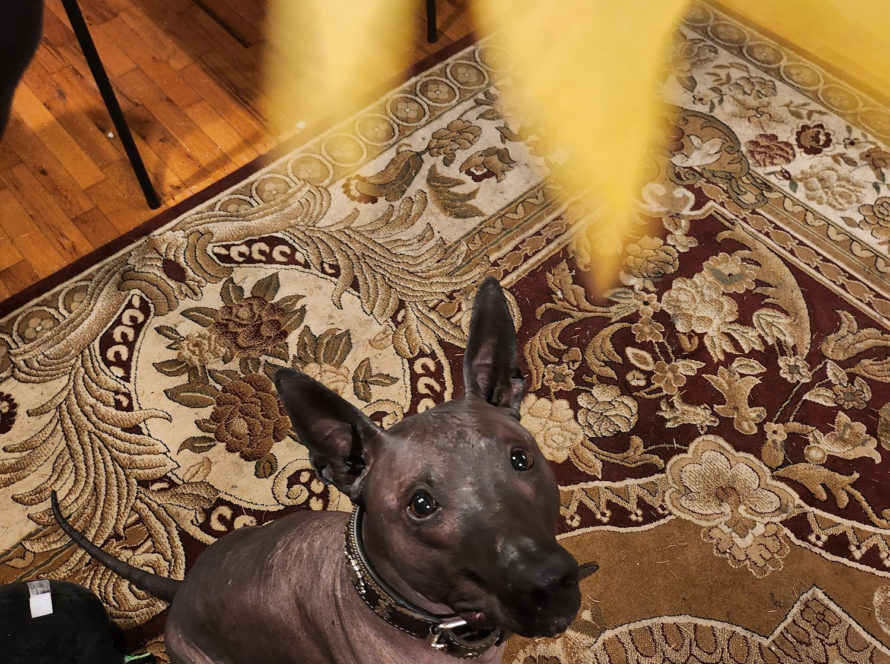
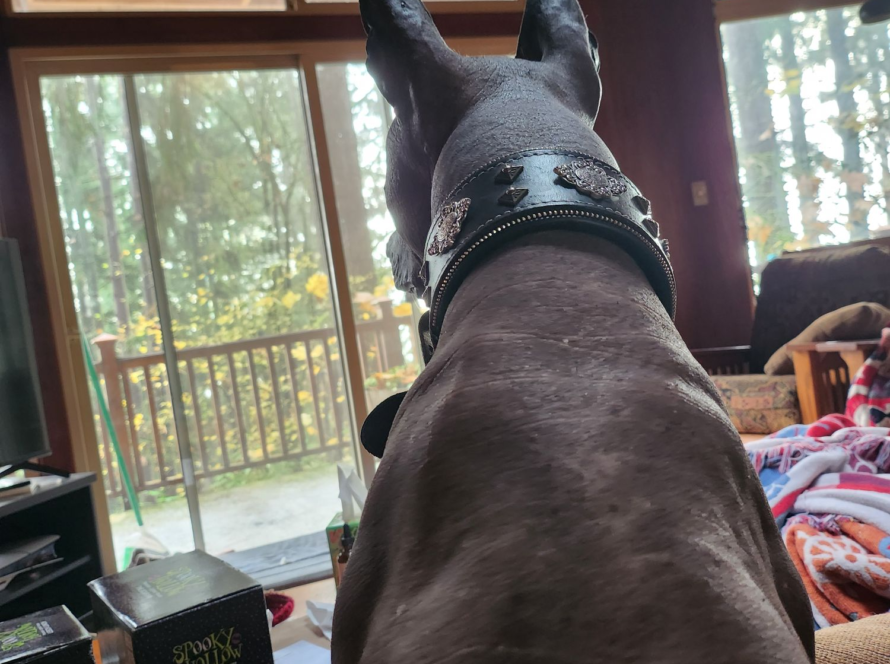
he Xoloitzcuintli’s majestic, hairless body is a living canvas of ancient history. But that unique skin is not just for show—it’s a high-maintenance organ that requires a dedicated, informed care regimen. Unlike fully coated breeds, a Xolo’s skin is directly exposed to the elements, potential allergens, and its own natural processes. Many well-meaning owners treat it like their own human skin, leading to a host of preventable issues.
As a professional trainer and specialist in hairless breeds at the Kent facility for Black Magic Dog Training, I’ve seen it all: from simple dry skin to severe acne and sun damage. This guide isn’t just a list of tips; it’s a deep dive into the biology and maintenance of Xolo skin, providing a professional framework to keep your companion healthy, comfortable, and glowing for years to come.
Think of this not as a chore, but as a bonding ritual—an essential part of caring for your extraordinary and unique hairless dog.
Understanding Xolo Skin
To properly care for your Xolo’s skin, you must first understand how it functions. While there is both a hairless and coated variety to the Xolitzcuintli, the hairless has atypical care needs that is both unlike coated dogs and unlike human skincare.
One of the features that should be understood about the hairless Xolo is that they can experience rapid cell turnover. Without a coat to slough off dead skin cells and oils, these particles build up on the skin’s surface. This is why Xolos can seem “dirty” and some get blackheads (comedones) easily—it’s a natural process that needs managed exfoliation.
My Xolo, Kola, is fairly active. His skin receives a level of natural exfoliation from wind, rain, and running through the beautiful Pacific Northwest trails around Kent and Maple Valley, WA. Even so, I still keep up with intentional exfoliation to remove dead skin cells before moisturizing. I personally use a dry brush similar to this one available on amazon, but I also really love the exfoliating scrubs from Xolo Supply Co, which are specifically formulated for hairless dogs.
Canine skin also has a different pH level (more neutral) than human skin (acidic). Using certain human skincare products like shampoos and conditioners, which are formulated for our pH, can disrupt your Xolo’s acid mantle, leading to dryness, irritation, and bacterial overgrowth.
In all dogs, the sebaceous glands produce oils (sebum) to protect the skin. In Xolos, this oil doesn’t get distributed by hair and can accumulate, clogging pores. The goal is not to strip all oil away, but to manage its balance.
The Core of Xolo Skincare: Bathing, Moisturizing, Sun Protection, and Diet
A proactive routine built on these four pillars will prevent 90% of common skin problems.
The Bathing Ritual – Cleanse, Don’t Strip
I find that overbathing is a significant problem for a lot of Xolos. As a long-time owner of hairless animals, I feel strongly that too much bathing is a detriment to problems like acne and dryness, not a fix. Personally, I only bathe my Xolo (and my hairless Sphynx cat, for that matter) when they get visibly dirty, return from an outing where bathing makes sense, or I start to notice a funk. At most, I would say bathe a hairless dog only once or twice per month, if possible.
The protocol for bathing a hairless dog is pretty straightforward. Wet your Xolo with warm water; Xolos can be sensitive to temperature, so I make sure the water is warmed enough but not hot to the touch before washing. Before applying shampoo, use a dry brush, exfoliating scrub, or a gentle exfoliating glove to loosen and remove the layer of dead skin cells. This is the single most effective step for preventing blackheads.
The wash is similar to bathing coated dogs. Lather, rinse, and repeat if necessary. For hairless dogs, use only a high-quality, canine-specific shampoo. Look for these key features:
- Hypoallergenic & Soap-Free: Avoid SLS and harsh detergents.
- pH-Balanced for Dogs: This is non-negotiable.
- For Problem Skin ask your vet for recommendations on a medicated shampoo (with chlorhexidine or benzoyl peroxide) on hand for occasional use if you notice bumps, redness, or yeast issues.
I highly recommend double-rinsing after bathing your hairless Xolo to make sure all soap residue is washed away. Residual shampoo can cause irritation, dryness, or even rashes.
Pat your Xolo dry with a super-absorbent, soft towel. I like microfiber towels like this one from amazon. Avoid vigorous rubbing. Ensure your dog is completely dry before applying any oils or letting them go outside, especially in cooler weather.
Moisturizing and Oils – Locking in Hydration
Bathing is necessary to remove dead skin cells and dirt, but it can also strip the skin’s natural oils. Remoisturizing after a baht (and on a regular basis between baths) is crucial for maintaining skin elasticity and preventing painful cracks and flakes.
It’s best to moisturize immediately after a bath, while the skin is still very slightly damp, to lock in moisture. I personally use emu oil for Kola, which has been shown to penetrate skin more deeply than many other oils. It is a bit pricy, but I find that it really pulls its weight for moisturizing, has an inoffensive smell, and is a non-issue if the dog licks it off their skin.
This is the emu oil I use for my hairless Xolo.
Many other oils will work splendidly, such as sweet almond oil and jojoba oil. I recommend avoiding coconut oil, tallow, and other saturated fats, as I’ve noticed they can clog pores and cause acne when applied otherwise healthy skin.
I also keep Lubriderm Advanced Therapy on hand, which is a great moisturizer, but I prefer my emu oil since Kola tends to lick his skin after moisturization.
I personally like to use hyaluronic acid on Kola, as well, which encourages moisture retention in the skin where it is applied. Something like Neutrogena Hydro-Boost or .The Ordinary Hyaluronic Acid should work just fine, if you decide to go this route.
IThat said, ‘m only reporting what I use; for any product intended for use in humans, consult with your vet before deciding to use it on your dog.
Lastly, the occasional use of an occlusive can help retain moisture and help damaged skin heal. For dry or cracked skin, irritation or hot spots, I recommend Skin Soother Balm or the Balm Tins from Xolo Supply Co.
With any of these products, apply to your own hand first and rub together to warm the product. Apply to your dog’s skin and repeat until all exposed areas have been adequately moisturized.
Sun Protection
The Xolo is an ancient breed that lived under the blazing sun of pre-hispanic Mexico; the Xolo’s skin is no stranger to the sun! If you have a black Xolo like I do, you have a dog with wonderful built-in sun protection. The dark pigments in a Xolo’s skin provide natural protection from UV rays, and you’ll notice the darkness of a Xolo’s skin improve during sunny seasons and become paler during shorter days and darker months.
In my opinion, no sun protection is necessary for a typical black Xolo. Light-skinned Xolos such as mariposas, on the other hand, may be susceptible to sunburn and skin damage if they live in a very sunny environment.
The snafu is that most human sunscreens contain ingredients that should not be ingested, and dogs love to ingest things we put on their skin. There are some dog-specific sunscreens available, but I can not speak to the efficacy of these products as I have not used them and do not know anyone who has.
My recommendation for sun protection for hairless dogs is clothing. For extended outdoor activities, a lightweight, UV-protective dog shirt or suit is the best defense. It provides consistent coverage without the need for constant reapplication of sunscreen.
In colder climates where the winter air can be drying, using some leg warmer boots like these ones from Canada Pooch and an insulated jacket like this one from Hurrta makes a great combo to battle the cold winter bite.
Diet
The skin is a reflection of overall health. A poor diet will manifest as dull, oily, or irritated skin. And a well-fed Xolo will be less susceptible to acne.
I feel it is very important to feed a high-quality diet with real meat as the first ingredient. This can be raw food, cooked meals, or kibble; all are suitable options as long as the correct nutrient profile is present and the dog is happy to eat.
For an active, hairless dog who absolutely hemorrhages body heat and calories, I feed Inukshuk 32/32. This is not a standard pet kibble, and is sold as a sled dog food! But it is the highest-calorie, highest-protein kibble I have found on the market, and it’s the food that keeps muscle on my active hairless dog. As a bonus, his skin is clear and low-maintenance.
I don’t personally supplement his food aside from training treats when we are out working.
If you’d like, a hairless dog’s skin will appreciate a supplement with Omega-3 and Omega-6 fatty acids. Fish oil (salmon, sardine) is fantastic for reducing inflammation and promoting a healthy, glossy coat and skin. A dose should be determined based on your dog’s size and weight.
Food allergies are uncommon in a well-bred Xoloitzcuintli. Kola can eat just about everything and the kitchen sink, with no issue whatsoever. However, many dogs are prone to skin-related allergy issues, so it’s best to keep any eye on potential allergens and rule them out if possible. Common signs of food allergies include itchy skin, red bumps, and chronic ear infections. If you suspect an allergy, consult your vet about an elimination diet.
The most common food allergy I see in dogs today is chicken. There are trains of thought that the chicken itself isn’t the problem, but that dogs can have issue with some of the specific hormones used in raising chickens in the United States. I don’t have a definitive answer on this topic, but what I do have is the experience of seeing time and time again dogs finally getting skin and coat relief after eliminating chicken.
And be careful, as chicken and chicken byproducts can be a sneaky ingredient hidden in a lot of foods. Rather than trust the name of the food, check the ingredients and nutrition label if available and make sure the potential allergen is not on the list if you are doing an elimination diet.
Troubleshooting Common Xolo Skin Issues
Even with a perfect routine, issues can arise. Here’s how to handle them.
Canine Acne & Blackheads (Comedones):
Cause: Clogged hair follicles from oil, dead skin, and sometimes bacteria.
Solution: Your bathing and exfoliation routine is your first defense. For persistent blackheads, your vet can recommend specific wipes (like those with salicylic acid). For inflamed, red pimples, a vet may prescribe a benzoyl peroxide wash or oral antibiotics. Never pop your Xolo’s pimples—this can cause deeper infection and scarring.
Dry, Flaky Skin & Dandruff:
Cause: Often due to over-bathing, low humidity, or dietary deficiencies.
Solution: Re-evaluate your bathing frequency. Increase Omega-3 supplementation. Ensure you are moisturizing properly after baths. A humidifier in your home during dry Pacific Northwest winters can work wonders, if you live in Washington like me.
Skin Irritation & Allergies (Atopy):
Cause: Environmental allergens like pollen, mold, or dust mites.
Solution: Wipe your Xolo down with a damp cloth after being outside. More frequent baths with a soothing shampoo can wash allergens away. If itching is severe, your veterinarian can recommend antihistamines, cytopoint injections, or other therapies.
Yeast Infections:
Cause: An overgrowth of yeast, often in warm, moist areas (armpits, groin, between toes). It creates a distinct, musty smell and causes itchy, darkened skin.
Solution: Requires a vet visit for diagnosis. Treatment typically involves medicated antifungal shampoos (like those with ketoconazole) and sometimes oral medications.
The Xolo Owner’s Toolkit: Must-Have Xolo Grooming Products
Having the right tools makes all the difference. Here is my curated list:
1. Soft-Bristled Dry Brush or Exfoliating Glove: For pre-bath exfoliation.
2. pH-Balanced Canine Shampoo: A gentle, everyday formula.
3. Medicated Shampoo: (Chlorhexidine/Benzoyl Peroxide) for bacterial issues, (Ketoconazole) for yeast. Keep these on hand for flare-ups if necessary.
4. Emu Oil or other deeply penetrating oil: Your primary moisturizer.
5. A capsule wardrobe of protective clothing: For safe summer adventures.
6. High-Quality Fish Oil Supplement: For internal health.
7. Soft, Absorbent Towels: Designated just for your Xolo.
8. Electric Nail Grinder: Xolos often have dark and very tough nails, and a grinder is safer than clippers for a precise, smooth finish.
Caring for your Xoloitzcuintli’s skin is a commitment, but it’s one that deepens your bond and ensures their well-being. By implementing this proactive, four-pillar approach—judicious bathing, strategic moisturizing, vigilant sun protection, and superior nutrition—you can prevent most common problems and keep your dog’s skin as resilient and beautiful as their spirit.
Remember, you are not just a dog owner; you are a curator of a living masterpiece.
Struggling with a specific skin issue? Want to ensure your grooming routine is perfect? At Black Magic Dog Training in Kent, WA, I don’t just train dogs—I provide dedicated holistic care guidance for the breeds I love.
Don’t leave your Xolo’s health to chance. Contact Black Magic Dog Training today to schedule your consultation!