

Disclaimer: this article may contain affiliate links, and I may receive a commission on sales when you use those links, at no additional cost to you. I only recommend products I use and genuinely love.
At
Black Magic Dog Training, I understand that caring for a hairless breed in this climate is an act of dedication. It’s not merely about aesthetics; it’s about physiology and protection. Leaving a Xolo exposed to the cold is not just unkind—it’s a direct threat to their health and well-being. This guide will serve as your grimoire for cold-weather care, offering the must-haves—in the form of sweaters, coats, and home comforts—to shield your hairless companion from the elements and keep their inner fire burning bright.
Why Cold is a Crisis for Your Xolo
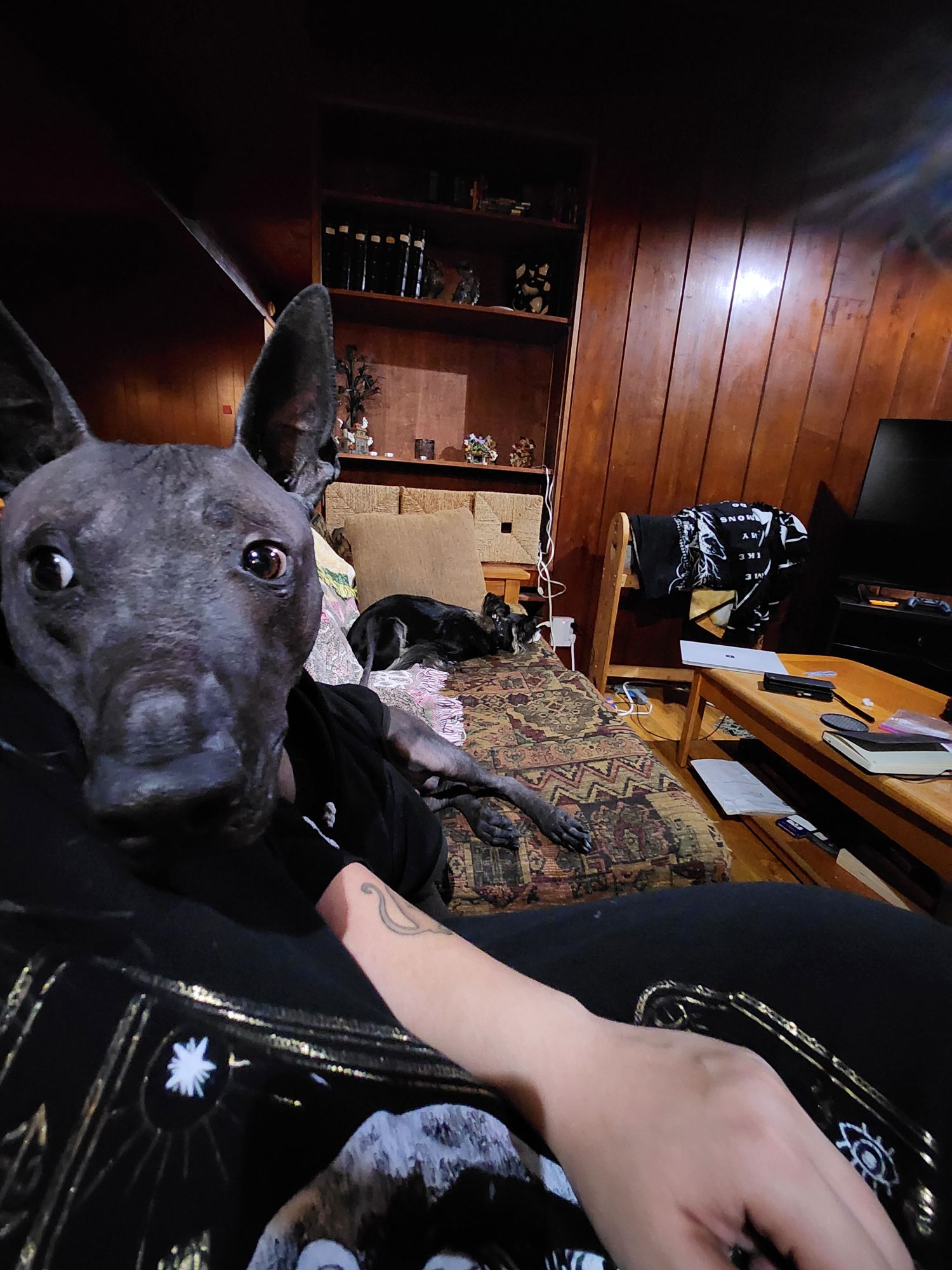
When I first brought home Kola, my hairless Xolotizcuintli from Texas, spring was coming to an end. And while the weather here in Kent, WA was beginning to warm up, the cool wetness of winter was still lingering. It was definitely a rude awakening for him, having just days before been in an air conditioned kennel with full-time access to an outdoor pen in the heat of eastern Texas.
The fact of the matter is, Texas or no Texas, xolos are simply not a cold-weather dog. Even the coated variety is built for warmer climates, but the hairless variety experiences this cold sensitivity to an extreme.
A few things to be aware of when you have a hairless xolo in a colder climate:
No Insulating Layer: Unlike a fully-coated breed, a hairless xolo has no undercoat or topcoat to trap a layer of their own body heat against their skin. Their skin is in direct, constant contact with the environment.
High Metabolism: To maintain their core body temperature, a cold Xolo’s metabolism must work in overdrive, burning calories at a rapid rate. This can lead to weight loss and constant fatigue if not managed.
Risk of Hypothermia: In truly cold, wet conditions, an underdressed Xolo can succumb to hypothermia frighteningly quickly. Signs include intense shivering (which may stop as hypothermia worsens), lethargy, weakness, and shallow breathing.
Joint and Muscle Stiffness: Cold can make your Xolo stiff and uncomfortable, exacerbating potential arthritis and making them reluctant to move, which further compounds the problem.
Protecting your xolo from the cold isn’t pampering; it’s a core component of their healthcare, as crucial as vaccinations and a proper diet.
The Hairless Dog Capsule Wardrobe
Your Xolo’s wardrobe is their first line of defense. Think of it not just as cute outfits, but as functional, protective armor against the elements.
The Thermal Layer
The thermal layer is the base layer of protection when keeping a hairless dog in a colder climate. Consider this layer for indoor wear to supplement warmth inside the home, but also as a base heat-trapping layer to keep your dog warm outdoors when paired with other thicker options.
Many brands sell insulated undergarments, onesies, and jumpsuits. Kola has one from Hurrta, which I believe is now discontinued. I bought this shortly after he came home in 2024, but it has served me on many days when the house is too cold or layering looks necessary for outside walks.
Canada Pooch also carries a lovely thermal layered onesie, specifically designed for cold weather layering.
The Casual Sweater
This is for indoor wear or quick, protected potty breaks on a chilly day. This is your basic dog sweater that plenty of other coated dogs wear. They offer some very basic protection over the core organs and a fair amount of skin, but leave the head, feet, paws, legs, tail, and often part of the tummy bare.
I like using a casual sweater on Kola for fall days, where it’s a little cool and a little damp but not horrifically cold. They can also be layered over a basic thermal layer for a bit of extra protection or for a fashionable effect.
Being a true Seattle area girl and a sucker for all things goth and spooky, Kola has an assortment of knits and sweaters from Black Craft and The Rogue & The Wolf.
Here’s how to pick a sweater for your Xolo:
- Material: Look for soft, breathable, and warm fabrics. Merino wool, cashmere blends, and high-quality acrylic or fleece are excellent. Avoid cheap, scratchy materials that can irritate sensitive skin.
- Fit: It should be snug but not restrictive. Check the neck, armholes, and chest. A well-fitting sweater will not chafe or limit movement. You should be able to fit two fingers comfortably underneath.
- Style: Pullovers, turtlenecks, and cardigans all have their place. For a touch of dark elegance that fits the Black Magic aesthetic, seek out sweaters in deep jewel tones, charcoal grey, black, or with subtle celestial or bone patterns.
The Weatherproof Coat
For walks in the rain, wind, or near-freezing temperatures, a sweater alone is not enough. You need a barrier against moisture, wind, and dry winter air.
A proper coat must be waterproof (or at the very least, highly water-resistant) and windproof. Look for materials like nylon or technical fabrics with a DWR (Durable Water Repellent) coating.
Insulation: For truly cold days, the coat should have a layer of insulation, like Thinsulate™ or a synthetic fleece lining.
Coverage: The best coats offer full-body coverage, protecting the back, chest, and belly. A high neck is a bonus.
My top pick for PNW gloom is the Hurrta Expedition Parka and the Hurrta Extreme Overall, which I rotate depending on how extreme the cold is during the winter. These two are perfect for a capsule wardrobe because they help cover all bases with only two garments. They have served me from hiking Maple Valley to city walks in Seattle to day trips to Port Orchard and more. There just isn’t weather that these two can’t take on.
Accessories for the Well-Warmed Xolo
Sometimes,a full coat isn’t enough. While the Extreme Overall or Expedition Parka meet most of my Xolo’s cold-weather needs, they still leave the head, tail, and legs exposed. Here are some options for those of you in extreme temperatures who might need extra protection than I usually do here in Western Washington.
Boots: These are crucial for protecting paw pads from cold pavement, freezing rain, and harmful ice-melting chemicals. They also provide vital traction on icy surfaces. Look for waterproof, flexible styles with a non-slip sole. I especially appreciate the Suspender Boots from Canada Pooch for the skin coverage and extra security; nothing is worse than spending good money on good dog boots just for them to fall off on a hike or a Seattle crosswalk.
Neck Warmers: A simple fleece snood or neck warmer can prevent heat loss from the neck and chest, a key area for maintaining core temperature. I have a custom-made one for Kola that covers his ears, similar to many others found on Etsy.
Crafting a Cozy Home for a Hairless Dog
Preparing your hairless dog for the outdoor cold is one thing, but what about keeping your Xolo warm when even your home drops in temperature?
The ambient temperature that feels comfortable to you, even fully clothed, is likely still too cold for your hairless hound.
Beds and Blankets
In the winter, the Xolo seeks heat everywhere. It’s not enough to curl up on the floor the way they might in the summer. Having a safe station for them to “Place” can help both behaviorally and for their personal comfort. Place their beds away from drafts—steer clear of doors, windows, and cold tile floors. Invest in beds with high sides (creating a “nest”) and filled with insulating materials like memory foam or high-loft polyester.
The Blanket Hoard:
This is non-negotiable. Create piles of soft, fleece, or wool blankets in their favorite resting spots and their place bed. This is both insultation between them and their place bed, allowing time to build up body heat, as well as a material for your hairless dog to burrow into to further retain their own warmth.
Heated Beds and Pads:
These are a game-changer. Ensure you use products designed specifically for pets, with chew-resistant cords and automatic shut-off features for safety.
Space Heaters:
My kennel space in Kent is hooked up to the furnace heating system. However, I do have a wall-mounted electric space heater with a thermostat available as supplemental heat to make sure my dogs stay warm in the winter.
I don’t recommend them as a primary heat source, but they can help boost heat when the primary method struggles. Use them with extreme caution in a room your Xolo frequents, always supervised as there are instances where they can be a fire risk. Ensure whatever heater you use is tip-proof and have overheat protection. Never leave them unattended.
The Hearth:
If you have a fireplace, this is the ultimate Xolo magnet. Ensure a safe, comfortable distance and always use a secure screen. My current fireplace in my living room is Kola’s favorite spot, and it makes our primary living space much more accommodating of his hairlessness.
When I lived and trained dogs in Port Orchard, WA, I had a wood burning stove that was an absolute beast and heated the whole house with ease. The only downside was it had to be very securely gated off, as it was extremely hot to the touch.
Tailor your methods to your specific options, but don’t underestimate the power of a wood fireplace!
Before and After Your Outings
Prepping for your outings and returning with an appropriate ritual will significantly improve your Xolo’s health and comfort when dealing with cold environments.
When getting ready for a walk, make sure your hairless dog is dressed appropriately for the weather outside. I won’t pretend that the Pacific Northwest is the pinnacle of brutal winters, but we do get plenty of crips air, sea breeze, cold rain, hail, and snow. Assemble your capsule wardrobe detailed earlier in this article, and dress your dog according to the actual weather or weather forecast.
Prep your dog a little ahead of time, giving them a chance to build up some body heat under their layers before venturing out.
During your outing, avoid moisture when possible. A wet xolo will lose body heat and become uncomfortable or even dangerously cold much faster than a dry one.
Returning from a walk, especially a wet one, is a critical moment.
Have a dedicated, super-absorbent towel ready at the door for your return. Thoroughly dry every inch of your Xolo, paying special attention to their paws, between their toes, and their underside.
You can also use this time to check for tiny cuts, cracked paw pads, or any signs of irritation from the cold or their gear.
Nutrition & Fitness
A body must be fueled from within to fight the cold.
The Inner Furnace: During the colder months, your Xolo may need more calories to maintain their body heat. Consult with your veterinarian about potentially increasing their food portion or switching to a higher-protein, higher-fat diet.
Hydration: Cold air is dry air, and heated homes are even drier. Ensure fresh water is always available to prevent dehydration.
Indoor Fitness: On days when the weather is truly foul, consider supplementing your dog’s mental and physical stimulation indoors. At Black Magic Dog Training, I use balance pads, cavaletti rails, and platform work to maintain muscle mass and joint health when our usual outdoor activities of hiking, canicross, and weight pull slow down for the season.
Mental Stimulation: Walks are great for mental stimulation, but also practice obedience drills, work on tricks (like for AKC Trick Dog titles!), or engage your xolo’s brilliant mind with puzzle toys and scent work games. A mentally tired Xolo is a calm Xolo, even without a five-mile hike in the rain.
Caring for a Xolo in the Pacific Northwest is a sacred pact. You are the guardian of a timeless spirit in a modern, often chilly, world. By building their warding wardrobe, crafting a warm indoor sanctum, and fueling their inner fire, you do more than just keep them comfortable. You honor their ancient lineage and ensure their well-being, allowing them to thrive even when temperatures drop.
Navigating the specific needs of a hairless breed can feel like a solitary path, but you are not alone in the mist. At Black Magic Dog Training, I specialize in the esoteric art of caring for and training unique breeds like the Xoloitzcuintli.
Don’t let the cold dim your companion’s spirit. Contact Black Magic Dog Training today. Let us help you build a sanctuary of warmth and strength for your otherworldly friend.

