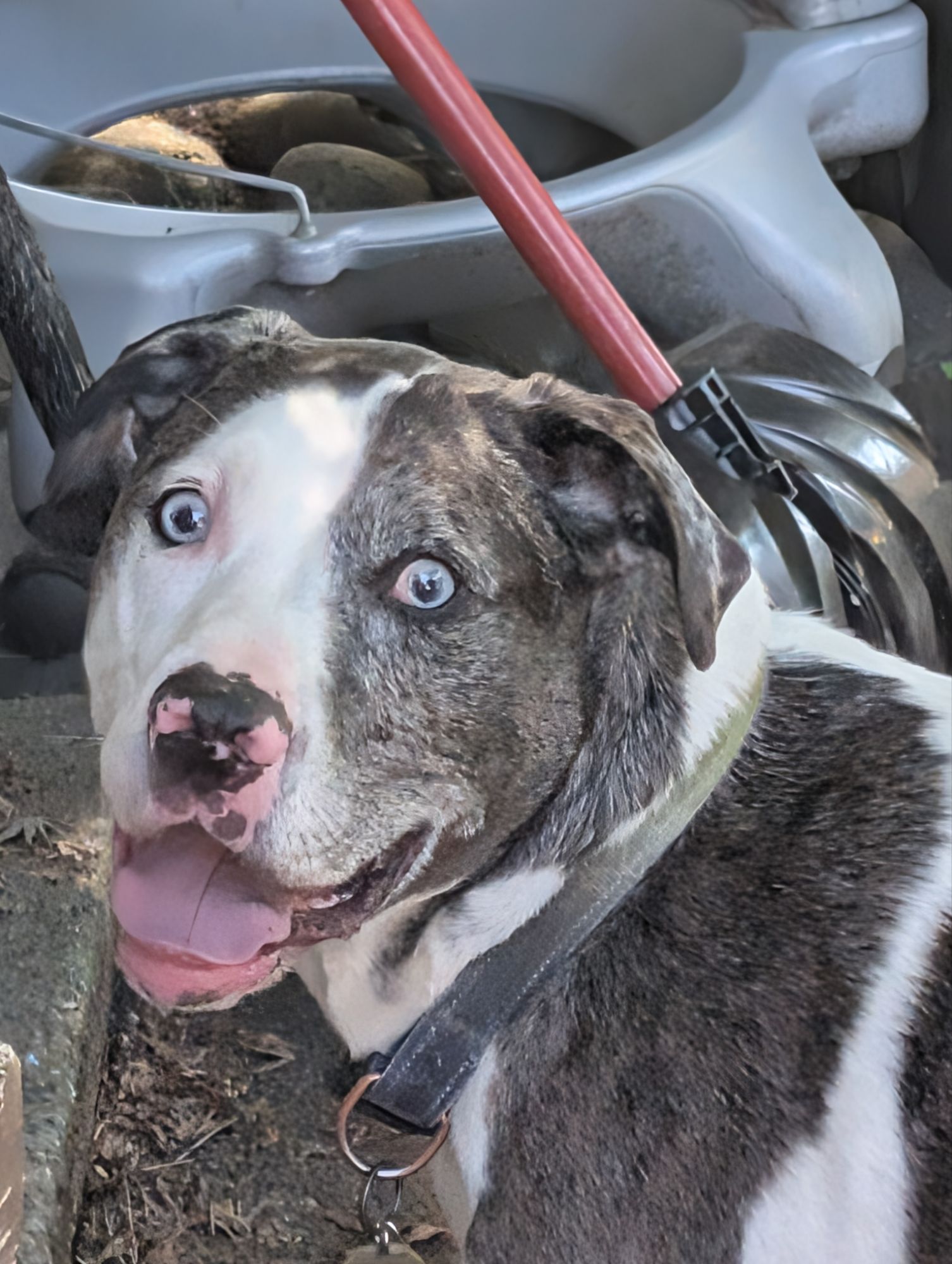
Have you ever watched your dog do something completely baffling and wondered:
“Why on earth are they doing that?”
Maybe they spin in circles before lying down. Maybe they stare at you while they eat. Maybe they zoom around the living room like they’ve had three cups of coffee.
Dogs communicate constantly through their behavior. While some actions seem strange from a human perspective, many have perfectly normal explanations rooted in instinct, learning, genetics, or emotion.
Understanding why your dog behaves the way they do can help you become a better trainer, prevent behavior problems, and strengthen your relationship.
Let’s decode seven of the most common canine behaviors.
1. Why Does My Dog Follow Me Everywhere?
If you can’t walk from the couch to the kitchen without a furry shadow behind you, you’re not alone.
Many dogs naturally enjoy staying close to the people they trust.
Reasons your dog may follow you include:
- They enjoy your company.
- They’re anticipating food or treats.
- They’ve learned you often lead to interesting things.
- They’re curious about your activities.
- They have a naturally people-oriented personality.
Certain breeds, particularly those developed to work closely alongside humans, are especially likely to become “Velcro dogs.”
When is it a problem?
Following you isn’t automatically separation anxiety.
However, if your dog becomes distressed whenever you leave—even briefly—it may be worth discussing with a qualified trainer or your veterinarian.
2. Why Does My Dog Get the Zoomies?
Those sudden bursts of frantic running have an official name:
Frenetic Random Activity Periods (FRAPs).
The nickname?
Zoomies.
Dogs often experience zoomies after:
- Baths
- Being released from a crate
- Exciting play sessions
- Evening walks
- Long naps
- Stressful events
For many dogs, zoomies are simply a harmless way to release excess energy or excitement.
As long as your dog has a safe area to run and isn’t becoming destructive, zoomies are usually completely normal.
3. Why Does My Dog Tilt Their Head?
Few behaviors are as charming as the classic head tilt.
While researchers are still learning exactly why dogs do this, several explanations are likely.
Head tilting may help dogs:
- Better localize sounds.
- See around their muzzle.
- Focus on familiar words.
- Gather more information about something unusual.
Many dogs also learn that humans find head tilts adorable—which often earns smiles, praise, or treats.
In other words, your dog’s cuteness may accidentally be reinforced.
4. Why Does My Dog Spin Before Lying Down?
This behavior dates back to your dog’s wild ancestors.
Before settling down, wild canids often circled to:
- Flatten vegetation.
- Check for dangers.
- Create a comfortable resting spot.
- Position themselves for warmth or safety.
Although your living room carpet doesn’t require much preparation, the instinct has remained.
A few circles before lying down are perfectly normal.
If your dog suddenly begins spinning excessively or seems unable to settle comfortably, however, it’s worth consulting your veterinarian to rule out pain or neurological concerns.
5. Why Does My Dog Lick Me?
Licking can have many different meanings.
Your dog may lick you because:
- They’re showing affection.
- They enjoy the taste of salty skin.
- They’re seeking attention.
- They’re feeling excited.
- They’re trying to gather information through scent and taste.
- It’s become a learned habit.
For many dogs, licking is simply another way of interacting with the people they love.
Excessive licking, especially if it appears compulsive or is directed toward themselves, may warrant further evaluation.
6. Why Does My Dog Stare at Me?
Some dogs seem to study their owners constantly.
Usually, that’s a good thing.
Your dog may be watching because:
- They’re waiting for your next cue.
- They anticipate food.
- They’re reading your body language.
- They’re seeking interaction.
- They’re simply interested in what you’re doing.
Dogs are remarkably skilled at interpreting human behavior.
Many spend much of their day observing us because we’ve become one of the most important parts of their environment.
7. Why Does My Dog Eat Grass?
This question has puzzled owners for generations.
The truth is that there probably isn’t one single answer.
Some dogs eat grass because:
- They enjoy the texture.
- They’re exploring their environment.
- They’re bored.
- They simply like the taste.
Contrary to popular belief, most dogs do not eat grass specifically to make themselves vomit.
Occasional grass eating is generally considered normal.
However, sudden excessive grass consumption accompanied by vomiting, diarrhea, lethargy, or loss of appetite should be discussed with your veterinarian.
Behavior Always Has a Reason
One of the most important concepts in dog training is this:
Behavior doesn’t happen randomly.
Every behavior serves some purpose.
Dogs repeat behaviors because they:
- Meet a need.
- Relieve stress.
- Produce rewards.
- Feel good.
- Are instinctive.
- Have been reinforced in the past.
Understanding the motivation behind behavior helps us respond thoughtfully rather than simply reacting.
When Normal Becomes a Concern
Many everyday dog behaviors are completely harmless.
However, it’s worth seeking professional advice if you notice behaviors that are:
- Sudden or dramatically different
- Escalating over time
- Accompanied by aggression
- Interfering with daily life
- Causing injury
- Repetitive to the point of seeming compulsive
Behavior changes can sometimes indicate medical problems, pain, or emotional distress.
If you’re unsure, it’s always best to consult your veterinarian and a qualified trainer.
The Best Way to Understand Your Dog
Dogs may not speak our language, but they’re constantly communicating.
Learning to observe:
- Body language
- Context
- Environment
- Emotional state
- Reinforcement history
provides far more information than focusing on a single behavior in isolation.
The more you understand your dog’s communication, the more effective—and enjoyable—training becomes.
How Black Magic Dog Training Can Help
Many behavior questions have surprisingly simple answers once you understand how dogs learn and communicate. At Black Magic Dog Training, we help owners look beyond the surface behavior to understand why their dogs are making certain choices.
Whether you’re dealing with confusing puppy habits, adolescent antics, or more serious behavior concerns, our training programs are designed to improve communication between dogs and their families. By understanding your dog’s instincts, emotions, and motivations, you’ll be better equipped to respond in ways that build trust, confidence, and lasting good behavior.
Final Thoughts
Dogs don’t behave in mysterious ways just to confuse us. From zoomies and head tilts to grass eating and following you from room to room, most canine behaviors have perfectly reasonable explanations rooted in instinct, learning, or communication.
The more curious you become about your dog’s behavior, the more opportunities you’ll have to strengthen your relationship. Instead of asking, “How do I stop this?” try asking, “Why is my dog doing this in the first place?”
That simple shift in perspective can transform the way you train, communicate, and live with your dog.
And if you’re ever unsure what your dog is trying to tell you, Black Magic Dog Training is always here to help you decode the conversation.