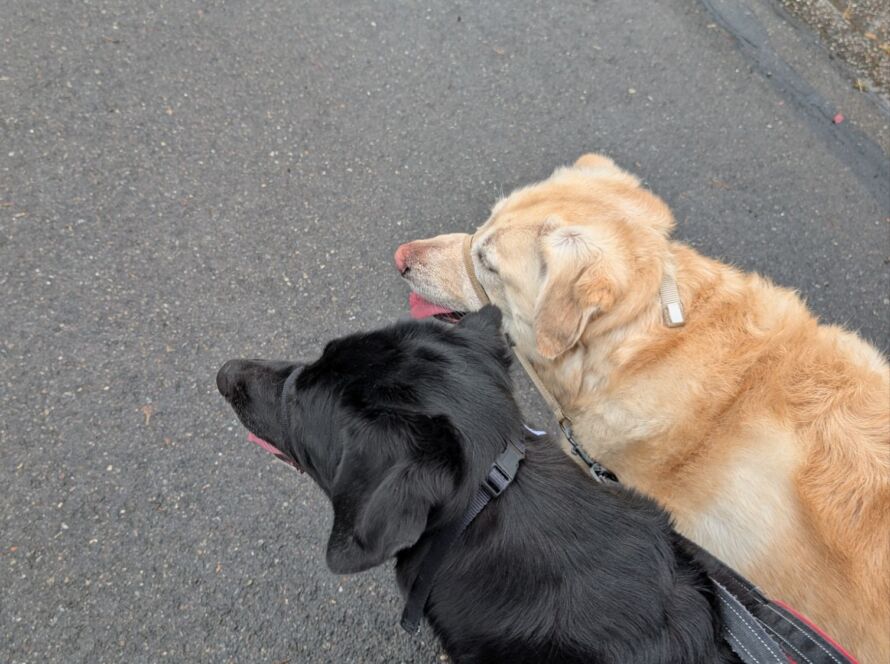
Living with a dog should be enjoyable—but when problem behaviors begin taking over daily life, even the strongest bond between dog and owner can become strained. Pulling on the leash, barking at everything that moves, jumping on guests, or guarding food can quickly turn simple activities into stressful ones.
The good news is that most behavior problems don’t develop overnight, and they rarely disappear overnight either. They are usually the result of a combination of genetics, learning history, environment, and unmet needs. With patience, consistency, and the right training plan, many dogs make tremendous progress.
At Black Magic Dog Training, we specialize in helping owners understand why their dogs behave the way they do—not just how to stop unwanted behaviors. Let’s look at five of the most common behavior issues we see and what you can start doing today.
1. Pulling on the Leash
If every walk feels like your dog is towing you down the sidewalk, you’re certainly not alone. Leash pulling is one of the most common complaints among dog owners.
Dogs naturally walk faster than humans, and every time pulling successfully gets them closer to something they want—whether that’s another dog, a squirrel, or simply the next interesting smell—the behavior is reinforced.
Why it happens
Common reasons include:
- Excitement
- Lack of loose-leash training
- Inconsistent handling
- High energy levels
- Strong environmental distractions
Contrary to popular belief, most dogs aren’t trying to “be dominant.” They’re simply enthusiastic and have learned that pulling works.
Where to start
Begin practicing in low-distraction environments before attempting busy parks or downtown sidewalks.
Focus on rewarding your dog for:
- Walking beside you
- Checking in voluntarily
- Keeping slack in the leash
- Following changes in direction
Keep training sessions short and successful. Trying to teach leash manners in the most distracting environment available usually leads to frustration for both dog and handler.
2. Excessive Barking
Dogs bark—it’s part of being a dog. But when barking becomes constant or disruptive, it often signals that an underlying need isn’t being addressed.
The first step is identifying why your dog is barking.
Common causes
- Alert barking
- Boredom
- Fear
- Frustration
- Anxiety
- Demand barking
- Barrier frustration
- Excitement
Each type of barking requires a different solution.
For example, treating boredom barking looks very different from treating fear-based barking.
Where to start
Instead of simply telling your dog to “be quiet,” begin by identifying the trigger.
Ask yourself:
- What happened immediately before the barking?
- What does my dog gain from barking?
- Is my dog stressed, excited, or simply under-stimulated?
Addressing the underlying motivation is often far more effective than trying to suppress the barking itself.
3. Jumping on People
Many puppies learn that jumping gets attention.
Unfortunately, what seems cute at 20 pounds becomes much less charming at 80 pounds.
Even well-meaning people accidentally reinforce jumping by petting, talking to, or laughing at the dog while they’re standing on them.
Why it happens
Dogs often jump because they want:
- Attention
- Greetings
- Play
- Interaction
- Physical contact
If jumping consistently earns those things, dogs naturally repeat it.
Where to start
Reward the behavior you want instead.
Teach your dog that:
- Four paws on the floor earns attention.
- Sitting politely makes greetings happen.
- Calm behavior opens doors to fun.
Consistency is critical. If jumping works even occasionally, it remains worthwhile for the dog.
4. Reactivity Toward Dogs or People
One of the most misunderstood behavior problems is reactivity.
A reactive dog may bark, lunge, growl, or become highly aroused when they see another dog, a stranger, bicycles, or other triggers.
Many owners assume this means their dog is aggressive.
Often, it doesn’t.
Reactivity can stem from:
- Fear
- Frustration
- Overexcitement
- Lack of socialization
- Previous negative experiences
- Genetics
Every reactive dog has a unique story.
Where to start
Avoid forcing your dog into situations that overwhelm them.
Instead:
- Increase distance from triggers.
- Reward calm observations.
- Keep your dog below their emotional threshold.
- Practice gradual exposure over time.
Trying to “make them get used to it” by repeatedly exposing them to overwhelming situations often makes the problem worse.
Because reactivity can become complex, this is one area where working with a qualified trainer can significantly speed up progress.
5. Resource Guarding
Resource guarding occurs when a dog attempts to keep people or other animals away from something they value.
Common guarded items include:
- Food bowls
- Bones
- Toys
- Sleeping areas
- Stolen household objects
- Favorite people
Dogs may freeze, stiffen, growl, snap, or bite if they believe someone might take away the resource.
Why it happens
Resource guarding is a natural survival behavior.
It does not automatically mean a dog is trying to dominate the household.
Many dogs guard because they’ve learned that valuable resources disappear when people approach.
Where to start
If your dog guards resources:
- Avoid punishment.
- Don’t intentionally provoke guarding behavior.
- Manage situations safely.
- Begin building positive associations with people approaching valuable items.
Because resource guarding carries a bite risk, professional guidance is strongly recommended.
A Common Theme: Behavior Has a Reason
One of the biggest mistakes owners make is viewing unwanted behavior as stubbornness, spite, or disobedience.
In reality, behavior serves a purpose.
Dogs repeat behaviors that:
- Work for them
- Relieve stress
- Gain access to rewards
- Help them feel safe
- Meet emotional needs
Understanding why a behavior happens is often the key to changing it.
What About Punishment?
Many owners wonder whether punishment alone will solve behavior problems.
Unfortunately, punishment without addressing the underlying cause often creates new issues.
For example:
- Punishing barking may increase anxiety.
- Punishing growling may suppress warning signals without changing the dog’s emotions.
- Correcting leash pulling without teaching loose-leash skills often leads to frustration.
- Correcting fearful behavior without building confidence can damage trust.
Effective training focuses on both communication and education. Dogs need to understand what to do, not just what not to do.
When Should You Seek Professional Help?
Some behavior problems are relatively straightforward.
Others become increasingly difficult the longer they’re allowed to continue.
It’s a good idea to seek professional help if your dog:
- Has bitten or attempted to bite someone
- Displays escalating aggression
- Shows severe fear or anxiety
- Has significant reactivity
- Guards resources
- Isn’t improving despite consistent training
Getting help early often prevents small issues from becoming much larger ones.
How Black Magic Dog Training Can Help
Every dog is an individual, which means there is no one-size-fits-all training plan.
At Black Magic Dog Training, we begin by identifying the root cause of your dog’s behavior before developing a personalized training strategy. Whether your dog struggles with leash pulling, excessive barking, reactivity, resource guarding, or another behavior challenge, our goal is to build lasting skills—not temporary fixes.
Our balanced approach combines clear communication, thoughtful behavior modification, and practical training exercises that fit into your everyday life. We work with owners throughout the Seattle area to create calmer, more confident dogs while strengthening the relationship between dogs and their families.
Final Thoughts
Every dog has the ability to learn, and every owner has the ability to improve their relationship with their dog through consistent, thoughtful training. While behavior problems can feel overwhelming in the moment, they are often much more manageable once you understand what’s driving them.
The sooner you begin addressing unwanted behaviors, the easier they typically are to change. Whether you’re dealing with a puppy who jumps on everyone they meet or an adult dog struggling with reactivity or resource guarding, progress starts with a plan.
If you’re ready to stop feeling frustrated and start enjoying life with your dog again, Black Magic Dog Training is here to help. Together, we can build a training program tailored to your dog’s unique personality, your goals, and your lifestyle.